Discover the top benefits of digital payments for businesses in 2026, from enhanced security to faster growth and smarter decision-making.
In today’s fast-paced digital economy, businesses are rapidly embracing digital payment solutions to stay competitive, efficient, and customer-focused.
Digital payments refer to financial transactions made electronically through platforms such as UPI, credit/debit cards, mobile wallets, and secure payment gateways, eliminating the need for physical cash handling.
Over the past few years, this transformation has been accelerated by the rise of fintech innovation, government initiatives promoting a cashless economy, and the growing trust in secure transactions powered by advanced encryption and authentication technologies.
As we enter 2026, digital payments are no longer just a convenience. They are a core driver of business growth, offering faster settlements, enhanced transparency, and improved customer experiences.
Let’s discover the top benefits of digital payments in this article.
The Rise of Digital Payments in Business
The global payment landscape has undergone a dramatic shift, with digital payment adoption reaching new heights in recent years.
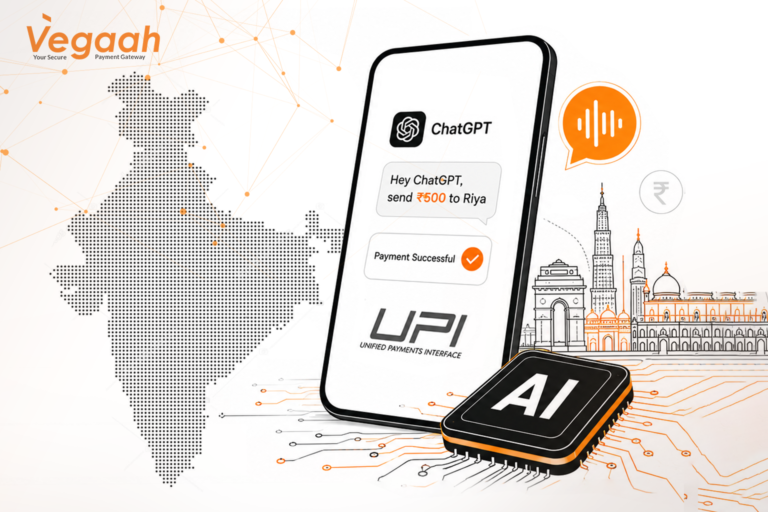
In India alone, platforms like UPI (Unified Payments Interface) have transformed the way people and businesses transact, recording billions of monthly transactions and setting a global benchmark for digital payment efficiency.
This surge isn’t limited to India; worldwide, businesses are increasingly turning to digital payment solutions for their speed, transparency, and scalability.
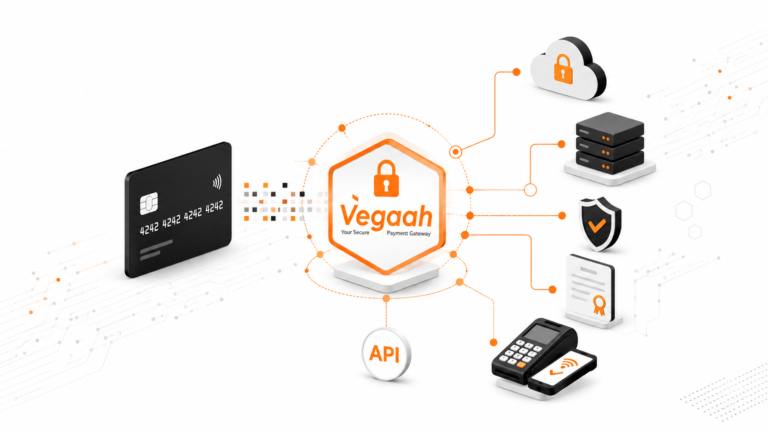
Technological enablers such as open APIs, payment gateways, mobile wallets, and QR code-based payments have made it easier for businesses to integrate multiple payment methods into their operations.
These technologies provide not only convenience but also secure transactions, backed by encryption, tokenization, and advanced fraud detection systems.
Customers today expect instant, seamless, and safe payment experiences, whether they’re shopping online or paying at a physical store.
According to NPCI’s latest data, UPI crossed 20 billion transactions in a single month in mid–late 2026, marking its highest-ever volume.
Businesses that embrace these expectations through efficient digital payment systems gain a competitive edge, build stronger customer trust, and enhance overall business growth.
As digital-first economies expand, the rise of digital payments represents more than a trend; it’s a new standard for modern business success.
| Category | Traditional Payments (Cash / Manual Methods) | Digital Payments (UPI, Cards, Wallets, Gateways) |
|---|---|---|
| Speed | Slow; manual counting, deposits, and clearance | Instant or near-instant transactions |
| Convenience | Requires physical presence; limited hours | 24/7 access from anywhere |
| Security | Risk of theft, loss, and fake notes | Encryption, tokenization, MFA, fraud detection |
| Record-Keeping | Manual tracking; prone to errors | Automatic logs, easy reconciliation |
| Cost | Higher handling costs; logistics | Lower operational costs; no cash-handling |
| Scalability | Difficult to scale across locations | Easily scalable with digital tools & APIs |
| Customer Experience | Slower checkout; fewer payment options | Fast, seamless, multiple payment modes |
| Business Insights | Limited visibility | Rich analytics on spending & trends |
| Cross-Border Payments | Slow, expensive, paperwork-heavy | Faster, simplified digital corridors are emerging |
| Settlements | Time-consuming bank deposits | Quick settlements, often same-day/real-time |
Top Benefits of Digital Payments for Businesses
Here are the top benefits businesses can expect from digital payments,
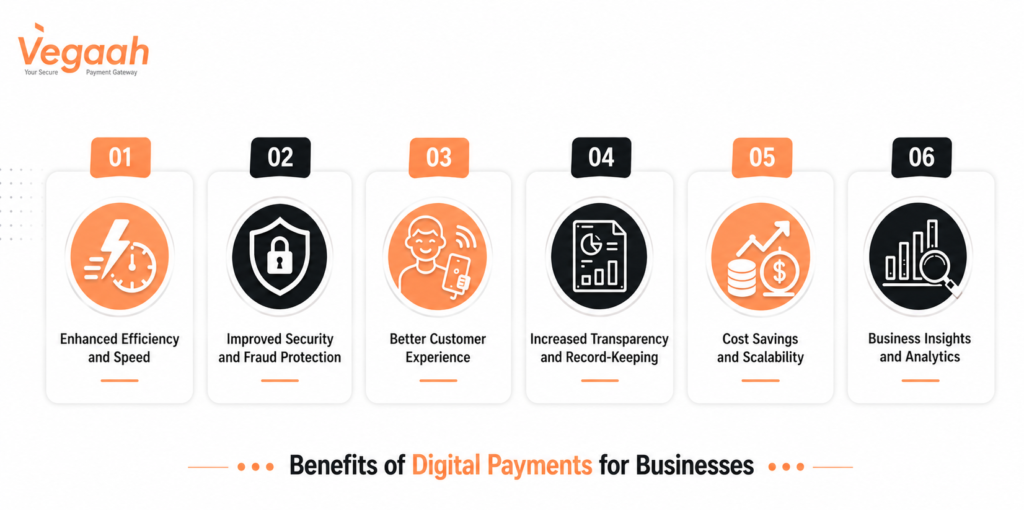
Enhanced Efficiency and Speed
Digital payments enable instant transfers and faster settlements, improving cash flow and reducing operational delays.
Automated processes replace manual paperwork and reconciliation, allowing teams to focus on core business priorities.
Improved Security and Fraud Protection
Modern payment systems use encryption, tokenization, and layered authentication to safeguard transactions.
Advanced fraud detection further reduces risks such as chargebacks, ensuring businesses and customers enjoy safe, protected payment experiences.
Better Customer Experience
Today’s customers demand quick, convenient, and flexible payment options.
Offering multiple payment options, UPI, cards, wallets, net banking, and more makes checkout experiences smoother and more convenient.
Easy refunds, faster confirmations, and loyalty integrations help strengthen customer satisfaction and increase repeat purchases.
Increased Transparency and Record-Keeping
Digital transactions leave clear audit trails, making tracking and reporting simpler and more accurate.
With automated reconciliation and error-free data, businesses gain better financial visibility and compliance confidence.
Cost Savings and Scalability
Switching to digital payment systems significantly lowers operational costs by reducing manual processing, paperwork, and physical infrastructure expenses, directly improving business efficiency across the board.
These systems easily integrate with ERP and CRM platforms, allowing businesses to scale their operations without additional complexity or overhead.
The result: a more efficient, future-ready payment ecosystem.
Business Insights and Analytics
Digital transactions generate valuable data-driven insights into customer behavior, purchasing patterns, and revenue trends.
Businesses can leverage these analytics to tailor offerings, forecast demand, and make smarter decisions.
With AI-powered dashboards, payment analytics are evolving into a strategic tool for growth and innovation.
Emerging Trends to Watch in 2026
As technology continues to redefine how businesses operate, digital payments are evolving beyond convenience into intelligent, data-driven ecosystems.
This year, we are witnessing several key trends shaping how companies manage and process transactions worldwide.
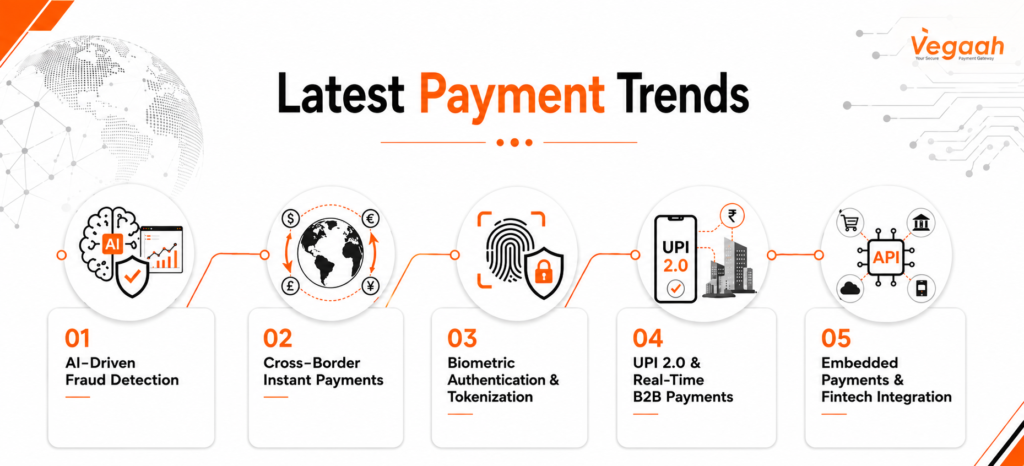
1. AI-Driven Fraud Detection
Artificial Intelligence (AI) is becoming a crucial defense tool in payment security.
AI-powered fraud detection systems analyze transaction patterns in real time to identify anomalies, prevent suspicious activity, and minimize chargebacks.
This automation not only enhances security but also reduces manual monitoring, saving time and operational costs for businesses.
2. Cross-Border Instant Payments
Globalization has increased the need for seamless cross-border transactions.
In 2025, instant payment systems enabled businesses to transfer funds internationally within seconds, with reduced fees and improved transparency.
These systems are particularly beneficial for e-commerce platforms and export-oriented businesses looking to expand their global reach. An e-commerce payment gateway that supports multi-currency and instant settlements is central to this growth.
3. Biometric Authentication and Tokenization
Fingerprint, facial, and voice-based authentication are becoming mainstream.
Combined with tokenization, these technologies enable secure, frictionless transactions across platforms.
4. UPI 2.0 and Real-Time B2B Payments
India’s UPI 2.0 is setting new standards in digital transactions by enabling higher-value and real-time B2B payments.
Features like overdraft linking, invoice verification, and recurring payment options are transforming how businesses handle day-to-day payments, supplier settlements, and vendor transactions, all with greater ease and reliability.
5. Embedded Payments and Fintech Integration
The rise of embedded finance is simplifying the integration of payment systems directly into businesses’ platforms or apps.
Through APIs and partnerships, companies can now offer built-in digital payment experiences that are faster, more personalized, and fully aligned with their brand.
These innovations signal a future where digital payment solutions become smarter, safer, and more seamless, empowering businesses to grow confidently in an increasingly digital-first world.
How to Implement Digital Payments in Your Business
Integrating digital payment solutions into your business doesn’t have to be complicated. With a structured approach, you can ensure smooth adoption, secure transactions, and an enhanced customer experience.
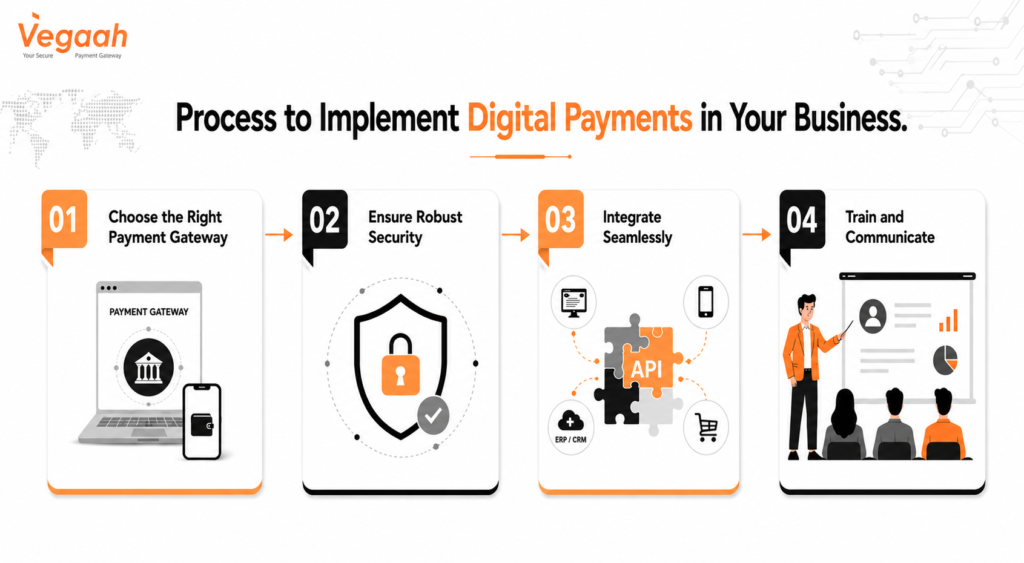
Step 1: Choose the Right Payment Gateway
Select a gateway supporting UPI, cards, net banking, and wallets, along with features like fraud detection, real-time settlements, and easy API integration.
Platforms like Vegaah offer a unified interface to manage multiple modes efficiently.
Step 2: Ensure Robust Security
Prioritize gateways that follow PCI-DSS compliance, use encryption and tokenization, and offer two-factor authentication to protect sensitive financial data.
Step 3: Integrate Seamlessly
Connect your digital payment system with existing ERP, CRM, or accounting tools to enable automatic tracking, reconciliation, and financial reporting.
Step 4: Train and Communicate
Educate your staff on handling digital transactions safely and train them to assist customers with new payment options.
Clearly communicate the change to customers through digital channels to build trust and encourage adoption.
A well-planned implementation ensures your business enjoys the full benefits of secure, efficient, and scalable digital payments.
As digital payments reshape how businesses operate in 2026 and beyond, choosing the right payment partner becomes the key to staying agile, secure, and growth-ready.
Vegaah empowers businesses with a unified, future-proof payment gateway that offers instant settlements, multi-mode payment acceptance, AI-driven fraud protection, and seamless integrations.
Whether you’re scaling your online store, optimizing enterprise workflows, or building customer-first experiences, Vegaah ensures every transaction is fast, secure, and effortless.
Take the next step, switch to Vegaah, and power your business with smarter, safer digital payments.
Get started with Vegaah today.
FAQs
Why do people prefer digital payments?
People prefer digital payments because they are fast, convenient, and secure. They eliminate the need to carry cash, enable instant transfers, and offer better tracking of expenses through digital records.
Are e-payments better than cash?
Yes, e-payments are more efficient and safer than cash. They support contactless transactions, reduce theft risk, and make payments traceable, ideal for today’s digital-first economy.
What are the benefits of digital payments?
Digital payments offer speed, transparency, and convenience. They enhance business efficiency, provide secure transactions, and improve customer experience through multiple payment options.
How do digital payments affect small businesses?
For small businesses, digital payments boost credibility, simplify bookkeeping, and improve cash flow. They also attract tech-savvy customers and open access to online marketplaces.
What is the difference between electronic payment and digital payment?
While both involve cashless transactions, electronic payments are a broader category including cards and online transfers, whereas digital payments often refer to mobile-based or app-driven systems like UPI, wallets, or QR code payments.