Explore the evolution of global payment gateways and how they empower businesses to expand internationally through secure, compliant, and frictionless digital transactions. Learn how Vegaah enables seamless payments with advanced security and global scalability.
The evolution of digital commerce has redefined how businesses engage with consumers worldwide. Geographic boundaries are no longer barriers, and organizations of all sizes now have the opportunity to reach customers across continents with unprecedented ease.
However, as global reach expands, so do the complexities of managing payments across multiple currencies, banking systems, and regulatory frameworks.
In this landscape, payment gateways for e-commerce have emerged as essential enablers of global trade. They serve as the secure and seamless link between merchants and customers, facilitating transactions that are fast, reliable, and compliant.
By bridging financial ecosystems across borders, payment gateways empower businesses to operate confidently in the global digital marketplace.
Core Role of Payment Gateways in Global E-Commerce
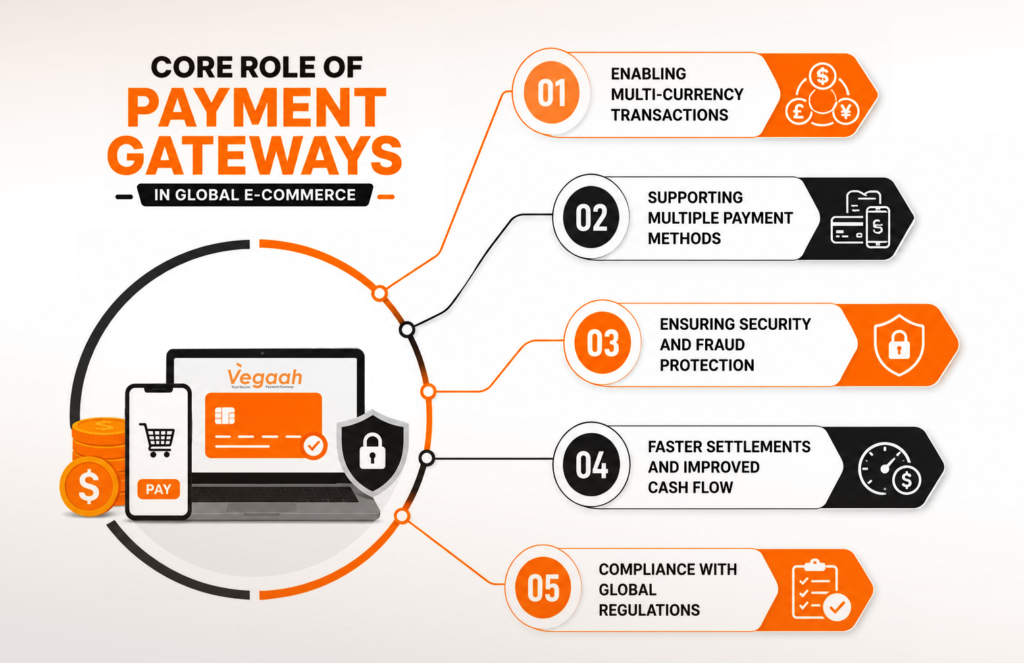
In the dynamic landscape of global e-commerce, payment gateways play a pivotal role in facilitating cross-border payments and ensuring smooth financial operations for businesses of all sizes.
Beyond processing transactions, they provide the technological and regulatory framework that enables global trade to function securely and efficiently.
- Enabling Multi-Currency Transactions
- A key advantage of an international payment gateway is its ability to support multiple currencies, allowing customers to make purchases in their preferred local currency.
- This capability enhances the user experience, reduces payment friction, and helps merchants expand into new markets without the complexities of manual currency conversion or separate regional setups.
- Supporting Multiple Payment Methods
- Modern gateways cater to diverse consumer preferences by offering a wide range of payment options, including credit and debit cards, digital wallets, net banking, UPI, and Buy Now Pay Later (BNPL) solutions.
- This flexibility ensures that businesses remain accessible to customers across geographies, regardless of their preferred mode of payment.
- Ensuring Security and Fraud Protection
- With online transactions spanning multiple jurisdictions, security remains a top priority. Leading payment gateways deploy advanced encryption technologies, tokenization, and AI-based fraud detection systems to safeguard sensitive financial data.
- These mechanisms build trust and protect both merchants and customers from cyber threats and fraudulent activity, reinforcing the importance of payment gateway security in digital commerce.
- Faster Settlements and Improved Cash Flow
- Efficiency in fund settlement is critical for businesses operating internationally.
- Payment gateways streamline transaction approvals and settlements, ensuring that funds are transferred promptly to merchant accounts.
- Faster cash flow enhances liquidity, allowing businesses to manage operations and reinvest in growth with greater agility.
- Compliance with Global Regulations
- Operating across borders requires adherence to varied financial and data protection regulations such as GDPR, PSD2, and local banking standards.
- Robust payment gateways ensure compliance with these frameworks, reducing legal risks and maintaining trust with both regulators and customers.
- By integrating these capabilities, payment gateways serve as the foundation of secure, compliant, and customer-friendly global commerce, empowering businesses to transact confidently in the international digital marketplace.
How Payment Gateways Drive Cross-Border Growth
The expansion of cross-border e-commerce has opened vast opportunities for businesses to reach international audiences. However, success in global markets depends heavily on delivering a seamless and trustworthy payment experience.
Payment gateways play a crucial role in eliminating transactional barriers, ensuring that international customers can complete purchases effortlessly and securely.
Removing Friction in the Checkout Experience
For global consumers, checkout simplicity and familiarity directly influence purchasing decisions.
By supporting multi-currency transactions and localized payment options, payment gateways eliminate confusion and reduce hesitation at the point of payment.
Customers can pay in their own currency, using methods they recognize and trust, creating a smoother, more confident buying experience.
Expanding into New Markets
A reliable international payment gateway allows businesses to enter new geographies without the need for complex financial infrastructure.
Through features like automatic currency conversion, regional payment support, and multi-language interfaces, merchants can localize their offerings and appeal to a broader global customer base.
Reducing Cart Abandonment
Checkout abandonment often occurs when customers encounter unfamiliar payment methods, hidden fees, or currency mismatches.
By offering transparent pricing, local payment options, and secure authentication, gateways significantly reduce cart abandonment rates and improve the overall user experience.
Increasing Conversion Rates
The ability to process payments quickly, securely, and in local formats directly boosts conversion rates.
When customers encounter a frictionless checkout process, they are more likely to complete their transactions, leading to measurable revenue growth for merchants operating in cross-border e-commerce environments.
Localization Through Regional Payment Methods
Localization is a defining factor in global success. Modern payment gateways integrate with regional payment systems such as UPI in India, Pix in Brazil, and PayNow in Singapore, ensuring that merchants remain relevant in diverse markets.
This approach not only enhances customer trust but also reflects an understanding of local payment preferences, a key driver of sustainable global expansion.
Through these capabilities, payment gateways empower businesses to overcome cross-border challenges, build customer confidence, and establish a truly global digital presence.
Which is the Right Payment Gateway for Global Business
Selecting the best payment gateway for global e-commerce is a strategic decision that can significantly impact operational efficiency, customer experience, and long-term profitability.
With numerous providers available, businesses must evaluate their options carefully to ensure alignment with their global expansion goals, technical requirements, and compliance obligations.
- Supported Countries and Currencies
- A truly global payment gateway should support transactions in multiple countries and handle a wide range of currencies.
- This ensures that customers can make purchases in their preferred local currency, while merchants receive payments in their chosen settlement currency. Broad coverage enhances accessibility and helps businesses expand into diverse international markets.
- Transaction Fees and Settlement Times
- Different providers have varying fee structures, including setup costs, transaction fees, and currency conversion charges.
- Equally important is the speed of fund settlement, which affects business liquidity and cash flow. Comparing these parameters allows merchants to strike the right balance between cost-effectiveness and operational efficiency.
- Security Standards
- Robust security is fundamental to building trust in global commerce.
- Businesses should prioritize gateways that comply with PCI DSS, implement end-to-end encryption, and employ advanced fraud prevention tools. These features safeguard sensitive customer data and minimize the risks associated with cross-border digital transactions.
- Integration Options
- Seamless integration with existing e-commerce platforms and systems is critical. Leading gateways offer flexible APIs, SDKs, and plug-ins compatible with major platforms like Shopify, WooCommerce, and Magento.
- A well-integrated payment solution not only reduces implementation time but also ensures a consistent, user-friendly checkout experience.
- Customer Support and Analytics
- Comprehensive technical support and transparent analytics are essential for effective payment management.
- Gateways that provide real-time dashboards, transaction insights, and responsive customer service empower businesses to monitor performance, resolve issues promptly, and optimize conversion rates.
- In essence, choosing the right payment gateway is about more than processing transactions; it’s about selecting a trusted partner that supports scalability, ensures compliance, and enhances the global customer experience.
Emerging Trends in Global Payment Gateways
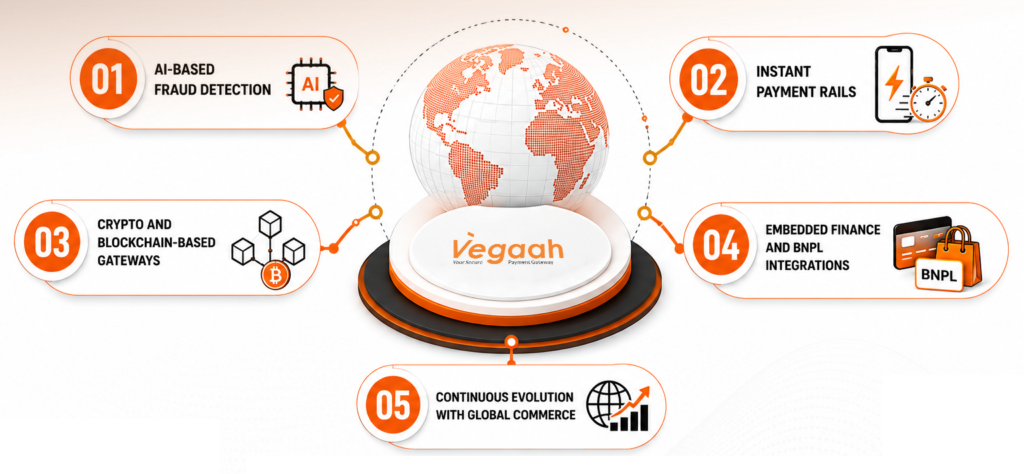
The future of payment gateways is being shaped by rapid advancements in technology, regulatory evolution, and changing consumer expectations.
As global commerce becomes increasingly digital, payment gateways are transforming from simple transaction processors into intelligent, adaptive financial ecosystems that drive innovation and trust.
AI-Based Fraud Detection
Artificial intelligence is redefining digital payment innovation by enhancing fraud detection and risk management.
Modern gateways now leverage machine learning algorithms to analyze behavioral patterns, detect anomalies, and prevent fraudulent activities in real time.
This predictive capability enables a proactive approach to security, reducing chargebacks and strengthening customer confidence.
Instant Payment Rails
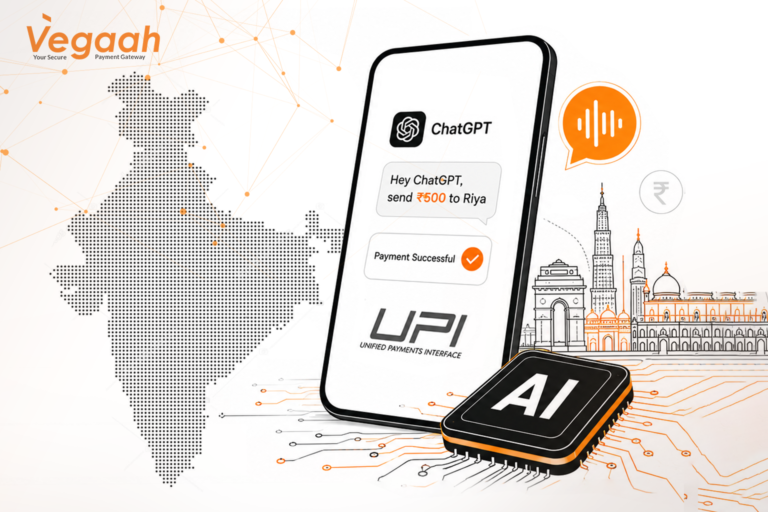
The adoption of instant payment systems such as UPI in India, Pix in Brazil, and SEPA Instant in Europe is revolutionizing transaction speed and accessibility.
Integrating these real-time payment networks allows gateways to offer faster fund transfers, improved transparency, and greater convenience for both merchants and customers, making instant payments a cornerstone of global digital commerce.
Crypto and Blockchain-Based Gateways
As blockchain technology matures, crypto-enabled payment gateways are emerging as a viable option for international transactions.
These gateways facilitate decentralized, transparent, and cost-efficient payments across borders, addressing challenges related to settlement delays and currency conversions. While regulatory acceptance is still evolving, blockchain integration signals a new era of financial interoperability.
Embedded Finance and BNPL Integrations
The convergence of embedded finance and Buy Now, Pay Later (BNPL) models is reshaping customer expectations.
Payment gateways are increasingly offering integrated financial services, such as credit, insurance, and lending, directly within checkout flows. This integration not only enhances the customer experience but also opens new revenue channels for merchants.
Continuous Evolution with Global Commerce
Payment gateways are no longer static infrastructures; they are agile, data-driven platforms that evolve in tandem with global markets.
From adopting fintech trends to integrating open banking APIs, gateways continue to innovate, ensuring that businesses remain competitive and customers enjoy faster, safer, and more flexible payment experiences.
As we look ahead, the next generation of payment gateways will play a decisive role in shaping how businesses transact, innovate, and thrive in the interconnected world of global e-commerce.
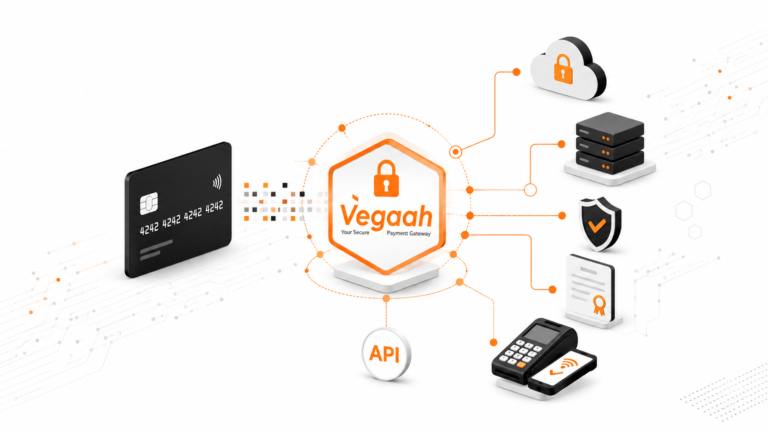
Vegaah offers a secure and fully integrated payment ecosystem designed to simplify transactions.
With advanced encryption and robust compliance frameworks, Vegaah empowers businesses to expand globally while maintaining trust, efficiency, and regulatory assurance.
FAQs
Why are Payment gateways important in local and global markets?
Payment gateways enable secure and seamless transactions for both local and international customers. They handle currency conversion, fraud detection, and compliance, ensuring smooth cross-border payments for global business expansion.
Who needs a payment gateway?
Any business that accepts online payments from e-commerce stores to service providers needs a payment gateway to securely process customer transactions and ensure instant, reliable fund transfers.
What is the role of digital payment in e-commerce?
In e-commerce, digital payments make the buying process quick, convenient, and trustworthy. They enhance customer experience, reduce cart abandonment, and enable automated order fulfillment through instant confirmations
What is a global payment gateway?
A global payment gateway allows businesses to accept payments from customers worldwide in multiple currencies and through various payment methods, ensuring secure and compliant international transactions.
What are the objectives of a payment system?
The main objectives of a payment system are to ensure security, efficiency, accessibility, and reliability in transferring money between parties, supporting smooth financial operations in both digital and traditional economies.