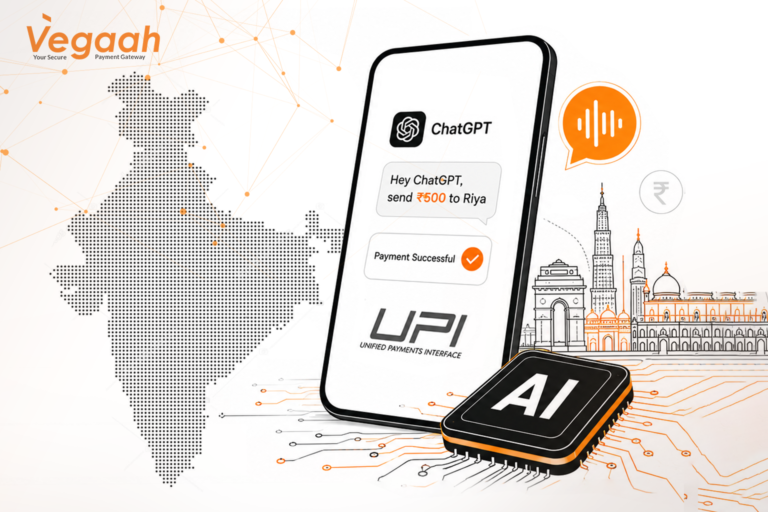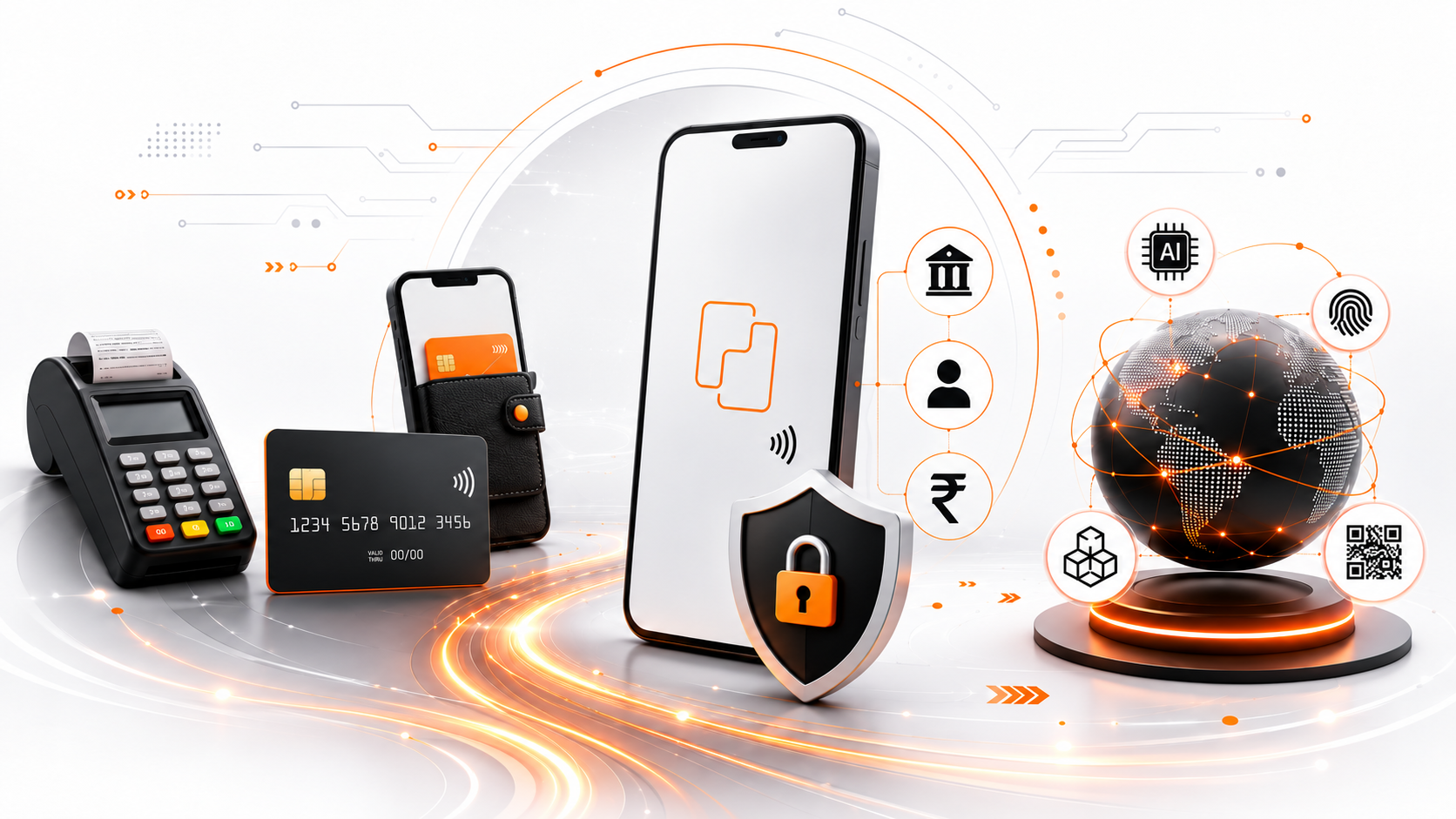
Discover how India’s payment gateway evolution, from cards to UPI, and what the future holds for digital payments.
From clunky card swipes to lightning-fast UPI transfers, India’s payment story is nothing short of revolutionary.
Over the past decade, digital payments in India have revolutionized the way consumers and businesses exchange money, making transactions simpler, faster, and more secure than ever before.
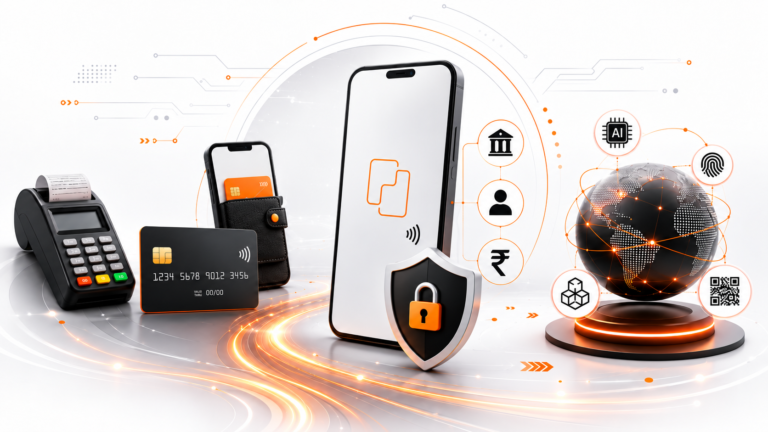
What once required a swipe at a POS terminal now happens seamlessly through a QR code or a tap on a phone.
This transformation didn’t happen overnight; it’s the result of the continuous evolution of the payment gateway, technological innovation, and strong government initiatives that encouraged a cashless economy.
In this blog, we’ll trace the journey of online payment gateways, from the early days of card-based payments to the game-changing rise of UPI, and explore what the future holds for India’s digital-first economy.
Early 2000s: Card Swipes and POS Systems
Before the digital boom, India’s journey toward cashless payments began with card swipes and POS systems.
Debit and credit cards brought convenience to consumers, while merchant services in India slowly adapted to electronic payments through bulky terminals. These early systems marked the first step in the evolution of payment gateways, enabling businesses to move beyond cash transactions.
However, this era had its challenges, high setup costs, limited connectivity, and transaction delays that often restricted adoption to urban areas.
For many small merchants, accepting digital payments remained a distant dream.
Yet, these foundational technologies paved the way for the next phase of payment processing in India, setting the stage for the e-commerce revolution and the seamless online payment experiences we know today.
Late 2000s to Early 2010s: Rise of Online Payment Gateways
As e-commerce took off in the late 2000s, a new chapter in India’s payment gateway evolution began: the era of online payment gateways.
Platforms like PayU, CCAvenue, and later Vegaah, Razorpay, and Paytm transformed how businesses accepted payments, allowing consumers to pay directly through cards, net banking, and mobile wallets without any physical infrastructure.
This shift revolutionized payment processing in India, making it faster, safer, and more inclusive.
APIs and plug-and-play integrations empowered even small merchants to join the digital economy. With growing internet penetration and smartphone adoption, e-commerce payment methods in India have become a mainstream norm.
Yet, challenges like transaction failures and security risks demanded stronger tech frameworks, leading to innovations like tokenisation, 3D Secure, and real-time fraud detection.
These enhancements set the foundation for India’s next major leap, the arrival of UPI and real-time digital payments.
UPI Revolution From 2016: Redefining Real-Time Payments
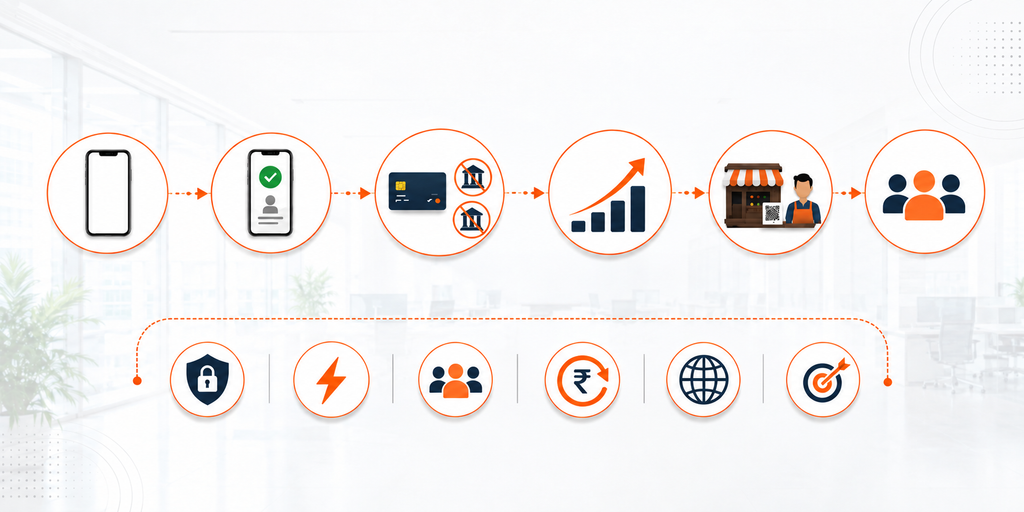
The Growth of UPI Since 2016
In 2016, India witnessed a breakthrough that redefined the entire digital payment landscape. The launch of UPI (Unified Payments Interface).
Designed by the NPCI, UPI brought real-time payments in India to life, allowing users to send or receive money instantly using just a virtual ID, no card, no IFSC, no hassle.
This innovation marked a massive leap from card swipe to UPI, transforming how individuals, merchants, and even small vendors transact daily.
Within just a few years, UPI became the backbone of digital payments in India, powering billions of transactions every month.
Apps like Google Pay, PhonePe, and Paytm made UPI accessible to every corner of the country, from metros to small towns.
Unlike traditional card payments, UPI eliminated hardware costs and transaction friction, making digital adoption effortless for millions.
Today, India leads the world in UPI payment systems, demonstrating how technology and trust can work together to drive financial inclusion on an unprecedented scale.
Beyond UPI in 2020–2024: The Future of Payment Gateways
As India strengthens its position as a global fintech leader, the future of payment gateways in India looks even more transformative.
Emerging technologies such as AI-driven fraud detection, wearable and IoT-based payments, and embedded finance are reshaping how consumers and businesses transact.
The next wave of innovation aims to make payments more invisible, instant, and intelligent.
Projections for 2026 suggest deeper integration, ranging from voice-activated payments to broader biometric authentication and the continued international expansion of UPI.
With the RBI promoting initiatives such as tokenisation and interoperable QR codes, the focus is expected to shift toward building a safer and more unified digital ecosystem.
Looking ahead, India’s payment gateway evolution may not just be about convenience—it could help shape global standards for speed, transparency, and security.
The journey from POS terminals to predictive payments has only just begun.
Security & Trust: The Backbone of Digital Payments
Key Security Measures for Safe Digital Payments
As the digital payment ecosystem expands, security and trust remain its strongest pillars.
Every advancement in payment gateway evolution depends on how safely transactions are processed and how effectively data is protected.
To strengthen this trust, India has witnessed the rapid adoption of tokenisation, multi-factor authentication, and AI-powered fraud detection.
Regulatory frameworks by the RBI and NPCI ensure that payment gateway security trends in India continue to prioritise user protection. Encryption standards, end-to-end compliance, and real-time risk monitoring have become essential features of every leading online payment gateway.
This is where Vegaah stands out. Built on a security-first foundation, Vegaah integrates AI-driven fraud management tools that proactively identify suspicious patterns, block high-risk transactions, and safeguard merchants against evolving threats.
With features like real-time anomaly detection, adaptive risk scoring, tokenised transactions, and secure authentication layers, Vegaah ensures that businesses can accept payments with confidence, without compromising speed or customer experience.
In a world where convenience often competes with caution, Vegaah empowers businesses with trustworthy, intelligent, and resilient payment security, ensuring every tap, scan, or click happens with total confidence.
Next Chapter of India’s Payment Story From 2024
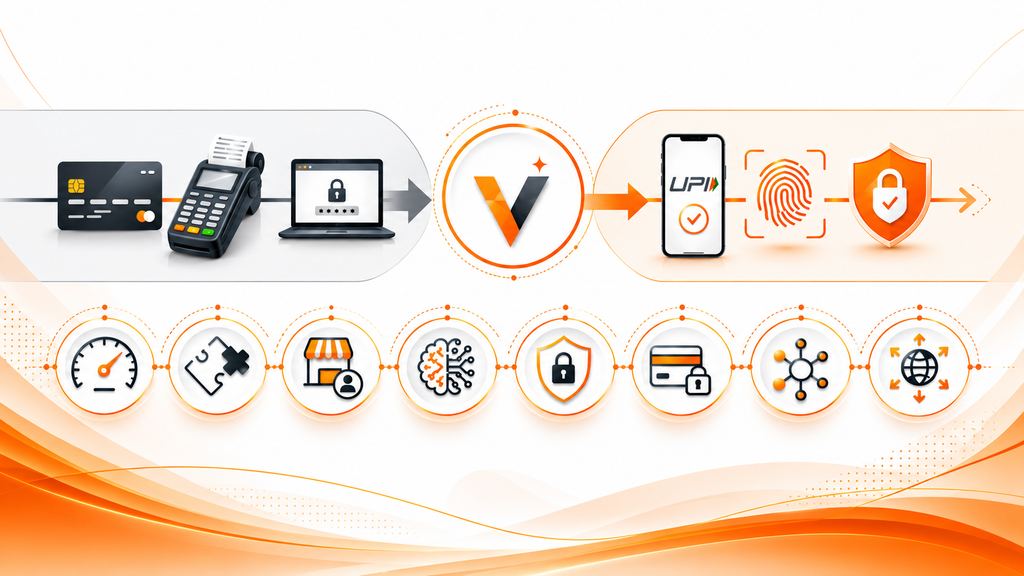
India’s payment gateway evolution has redefined how money moves, faster, safer, and smarter. As digital payments in India grow, the focus is shifting toward AI, biometrics, and cross-border UPI for truly seamless transactions.
The NPCI, through its international subsidiary International Payments Ltd (NIPL), has been actively expanding the global reach of UPI through a series of strategic partnerships.
- The UPI–PayNow linkage between India and Singapore enables seamless cross-border transfers for users in both countries.
- In the UAE, collaboration with Network International has enabled UPI acceptance across numerous point-of-sale terminals, allowing Indian tourists and NRIs to make effortless local payments using UPI.
- Furthering its global footprint, NIPL has signed an MoU with Eurobank in Greece to enhance cross-border payments powered by UPI infrastructure—paving the way for faster and more affordable international money transfers.
- Additionally, agreements with the central banks of Peru and Namibia aim to introduce UPI-like payment systems in these countries by late 2026 to early 2027, marking another milestone in India’s journey toward global digital payment integration.
As India transitioned from basic online payment gateways to real-time UPI transactions, Vegaah emerged as the next-generation platform built for this new era of intelligent, seamless, and secure payments.
Unlike traditional gateways that depended heavily on manual checks and outdated fraud systems, Vegaah is engineered for a digital-first economy.
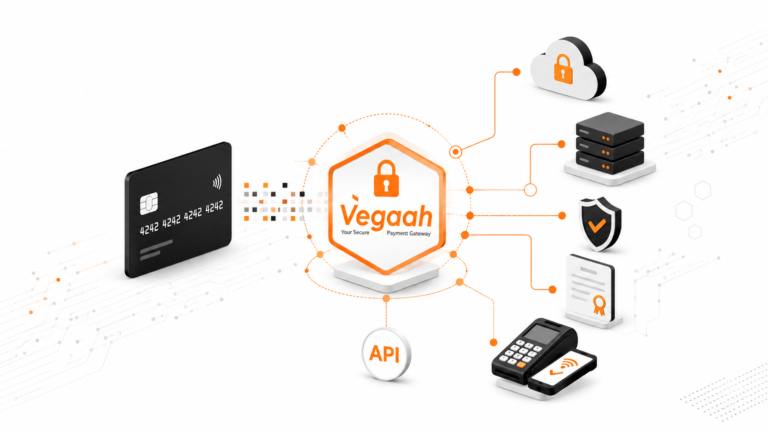
It offers faster routing, plug-and-play APIs, Merchant self-onboarding, AI-driven fraud detection, tokenized transactions, and unified payment experiences across cards, UPI, net banking, and more.
In a landscape where merchants demand smarter, safer, and more scalable payment solutions, Vegaah bridges the gap between the old world of card-centric payments and the new world of invisible, predictive, and globally connected digital payments.
It represents the natural evolution of India’s payment ecosystem, secure, future-ready, and built for scale.
To stay ahead, businesses need online payment gateways that evolve with technology and trust. Choose Vegaah, a future-ready payment platform built to power India’s next generation of digital payments.
What is UPI (Unified Payments Interface), and is it a payment gateway?
UPI is a real-time payment system that allows instant bank-to-bank transfers via mobile apps. It’s not a payment gateway, but it can be integrated into gateways as one of the payment methods.
What payment methods do modern gateways support?
Today’s gateways support credit/debit cards, UPI, net banking, digital wallets, BNPL, and even contactless or QR-based payments.
How do payment gateways handle refunds, chargebacks, or failed transactions?
Gateways automate refund and reversal processes, route chargebacks through banks, and notify users instantly in case of failed payments.
What security standards and compliance should I consider when using a payment gateway?
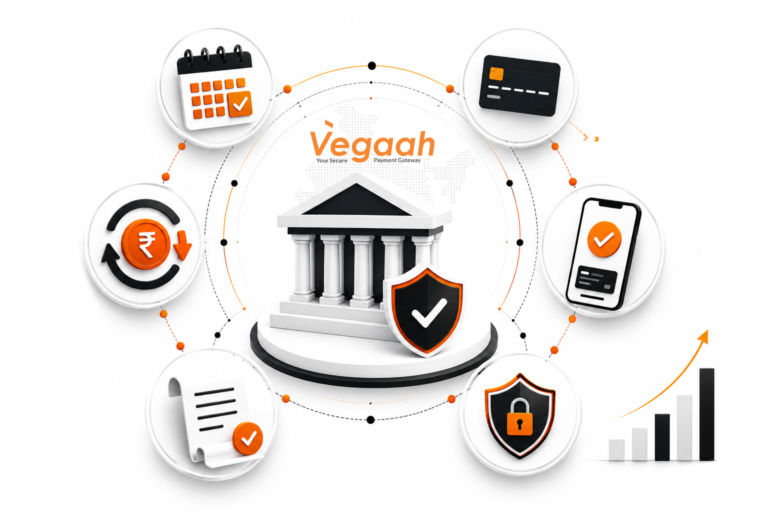
Ensure PCI DSS compliance, SSL encryption, tokenization, and two-factor authentication to safeguard customer data.
How long does it take for funds to reach a merchant’s bank account after a gateway transaction?
Typically, settlement happens within T+1 to T+3 business days, depending on the payment method and the provider’s policies.